
10 Essential Tips to Prolong Excavator Rubber Track Life
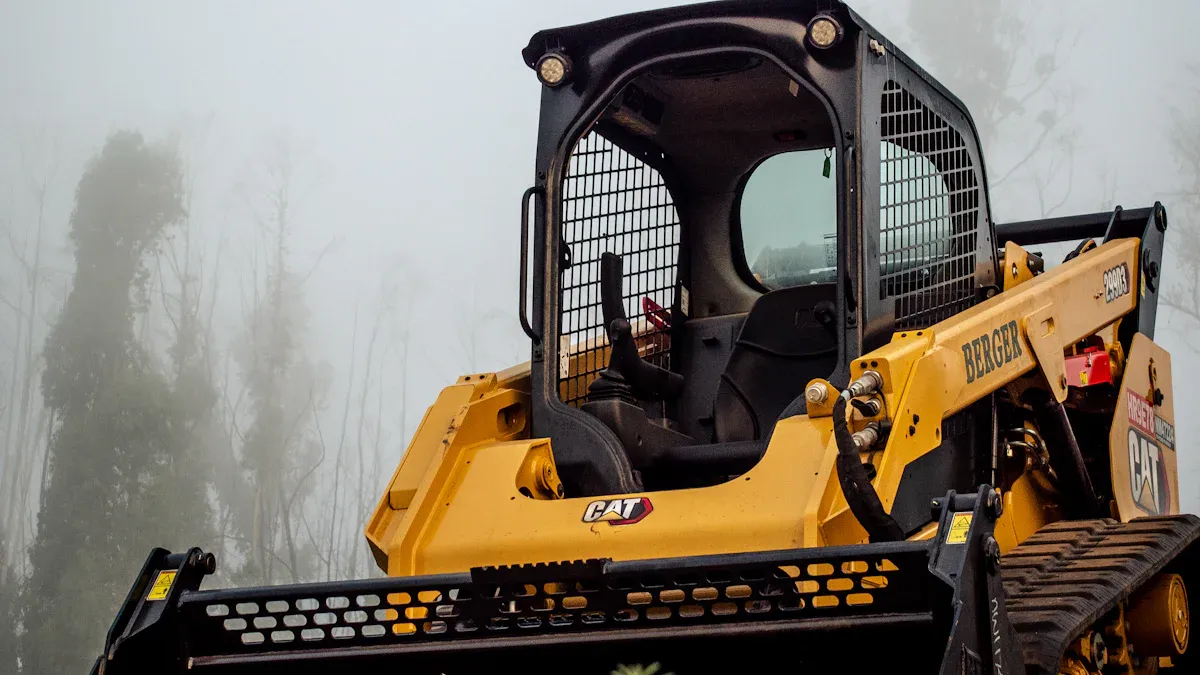
You can make excavator rubber tracks last longer by taking care of them every day and every month. Regular maintenance saves money, reduces downtime, and makes your equipment work better.
- Taking care of your equipment early stops most breakdowns.
- One hour of maintenance saves three to five hours of fixing problems later.
- Agricultural tracks like Caterpillar Rubber Tracks, EUROCAT Rubber Tracks, JOHN DEERE Rubber Tracks, KOBELCO Rubber Tracks, and Komatsu Rubber Tracks can last one to two years, or one thousand to two thousand hours, if you care for them well.
Good maintenance helps your machines work longer and keeps them from breaking down when you do not expect it.
Key Takeaways
- Doing regular maintenance can help your excavator rubber tracks last longer. Check and clean the tracks every day. This stops small problems from turning into big repairs.
- Clean the tracks by taking off dirt and debris after each use. This easy step helps stop cuts and damage. It also helps the tracks last longer.
- Having the right track tension is very important. Check and fix the tension every day. This stops too much wear and keeps the machine working well.
- Do not make sharp turns or go too fast. These actions put less stress on the tracks. They also help keep the tracks strong.
- Store rubber tracks in a cool, dry place. Use racks to keep them from bending. Good storage keeps them safe from damage caused by weather.
Clean Excavator Rubber Tracks
Remove Dirt and Debris
You need to keep Excavator Rubber Tracks clean to help them last longer. Dirt, mud, and debris can build up quickly during daily work. If you leave these materials on the tracks, they can cause damage over time. You might see cuts, tears, or even holes in the rubber. Some of the most common things that get stuck on tracks include:
- Scrap wood and cinder blocks, which can puncture or tear the rubber.
- Bricks and stones, which often cause abrasions and cuts.
- Rebar and other sharp objects, which can slice through the rubber and expose the inside.
You should clean the tracks after each use. Use a pressure washer to remove all mud, dirt, and debris. Pay special attention to the undercarriage. If you work in cold weather, mud and debris can freeze and rub against bolts and rollers. This can lead to extra wear and even damage important parts. Regular cleaning helps you avoid these problems and keeps your machine running smoothly.
Tip: Make cleaning part of your daily routine. It only takes a few minutes but can save you hours of repairs later.
Prevent Chemical Damage
Chemicals and oil can break down the rubber material in Excavator Rubber Tracks. If you spill fuel, oil, or other chemicals on the tracks, clean them off right away. Chemicals can make the rubber soft or brittle, which leads to cracks and early failure. Always check the tracks for any signs of chemical spills after each job.
You can use mild soap and water to wash away chemicals. Avoid using harsh cleaners that might damage the rubber. If you notice any sticky or oily spots, clean them as soon as possible. This simple step helps protect the tracks and keeps them strong for a longer time.
Inspect Excavator Rubber Tracks
Check for Cuts and Stones
You should inspect your tracks every day before you start work. Look closely for cuts, cracks, or stones stuck in the rubber. Small stones can get wedged between the track and the undercarriage. These stones can cause abnormal stress and damage the rubber. If you find any sharp objects, remove them right away.
- Check for deep cuts or tears in the rubber.
- Look for stones, bricks, or metal pieces stuck in the tread.
- Remove any foreign matter to prevent extra wear.
Industry standards recommend daily maintenance and inspection for Excavator Rubber Tracks. You should also check for track deviation every two hours. This helps you catch problems early and avoid bigger repairs later.
Tip: Use a flashlight to see under the machine and spot hidden damage.
Spot Early Wear
Early wear can shorten the life of your tracks. You need to look for signs like cracking, loss of traction, or uneven tread. Always check track tension during inspections. If the track feels too tight, it can increase wear by up to 50%. Track sag should stay at about one inch, plus or minus a quarter inch.
- Inspect tracks for cracks and worn areas.
- Record wear patterns on the treads.
- Check tension with every inspection.
High-grade rubber compounds last longer and resist cutting and tearing. OEM tracks often come with warranties and match the quality of your equipment. Regular monitoring helps you prevent costly downtime. Maintenance practices can help you extend the life of your tracks.
Note: Document wear distribution during inspections. This helps you decide when to replace the tracks and keeps your machine running smoothly.
Track Tension
Adjust Regularly
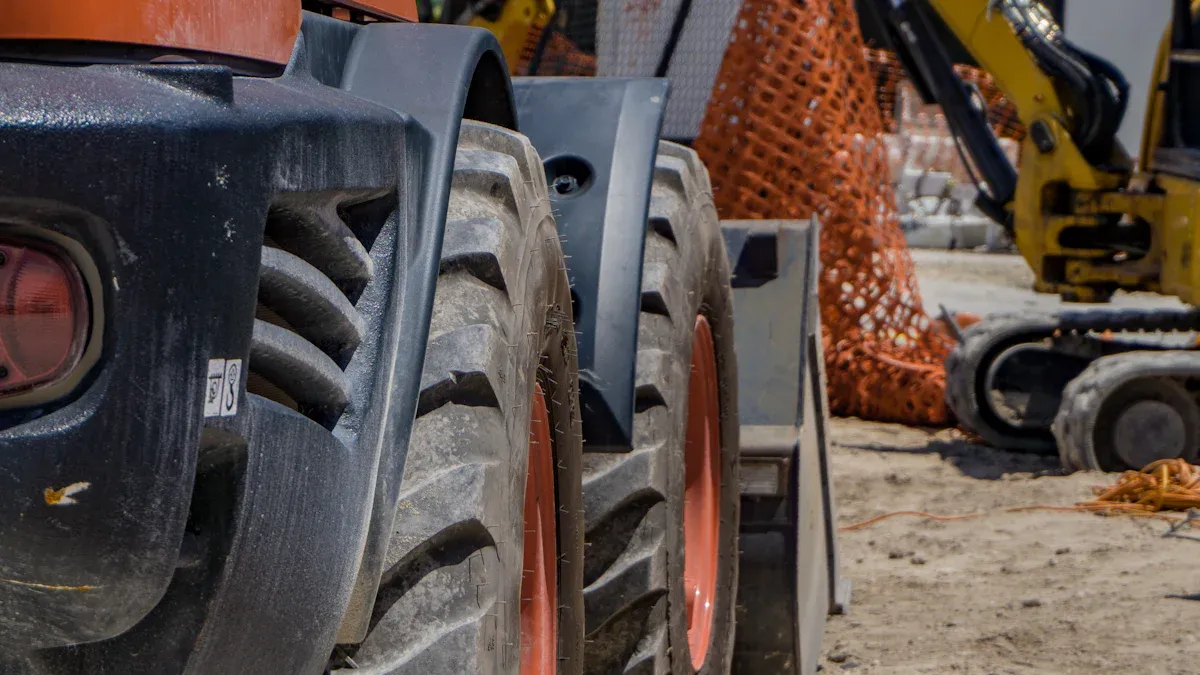
You need to check and adjust track tension often. Proper tension helps your machine work better and keeps the tracks in good shape. If you ignore tension, you risk damaging your equipment. Tracks that are too tight or too loose can cause many problems.
- Tracks that are too tight put extra stress on the undercarriage. This stress can wear out parts faster and raise your repair costs.
- Tight tracks can also stretch the steel cords inside the rubber. When this happens, the cords may snap, and the track can fail much sooner than expected.
- If you keep the tension right, you help the tracks last longer and avoid sudden breakdowns.
You should check the tension at the start of each workday. Use a tape measure or a tension gauge to see if the sag matches the recommended amount. If you see the track sagging too much or not enough, adjust it right away. Regular checks help you spot problems before they get worse.
Tip: Make tension checks part of your daily routine. This habit can save you money and keep your machine running smoothly.
Follow Manufacturer Guidelines
Always follow the guidelines from your equipment’s manufacturer. Each brand and model may have different tension settings. The manual will tell you the right amount of sag and how to adjust it. If you use the wrong settings, you risk damaging your Excavator Rubber Tracks.
Manufacturers test their machines to find the best tension for safety and performance. When you follow their advice, you protect your tracks and the whole undercarriage. You also lower the chance of early failure.
- Check the manual for the correct tension range.
- Use the tools and steps the manual suggests.
- Record your adjustments in a logbook for future reference.
If you have questions, ask your dealer or service technician. They can help you set the right tension and avoid costly mistakes.
Operator Practices
Avoid Sharp Turns
You can protect your Excavator Rubber Tracks by steering clear of sharp turns. When you make tight turns, the tracks twist and stretch. This action puts extra stress on the rubber and the undercarriage. Over time, sharp turns can cause the tracks to slip off or wear out faster. You may also notice more cracks and splits in the rubber.
- Sharp turns increase the risk of de-tracking.
- Counter-rotation puts extra strain on the undercarriage.
- Excessive spinning and frequent reverse driving wear out the tracks quickly.
Tip: Always plan your path before you move the excavator. Avoid sudden changes in direction, especially on hard surfaces like concrete or asphalt. These surfaces speed up track wear and can lead to early failure.
Operator training helps you understand the best ways to move your machine. When you know how to avoid sharp turns, you keep your tracks in better shape and reduce repair costs.
Use Wide Turns
Wide turns help you extend the life of your tracks. When you make a wide turn, the tracks move smoothly and evenly. This reduces the chance of stretching or tearing the rubber. Wide turns also lower the risk of the tracks slipping off the rollers.
- Wide turns prevent impact damage.
- Smooth movements protect the undercarriage.
- Avoiding debris, curbs, and side grades keeps the tracks safe.
Note: Try to drive in gentle curves instead of spinning in place. If you need to turn around, use a larger area to make the turn as wide as possible.
You should also avoid long-distance driving and operating on rough or harmful surfaces. Training programs teach you how to spot these risks and use the best driving habits. When you follow these tips, you help your Excavator Rubber Tracks last longer and work better.
Limit High-Speed Operation
Reduce Track Wear
You can protect your tracks by limiting high-speed operation. When you drive your excavator too fast, the rubber tracks wear out much quicker. Fast speeds cause more friction between the tracks and the ground. This friction leads to heat, which breaks down the rubber over time. You may notice cracks, splits, or even chunks missing from the tracks.
Operators often make mistakes that increase wear. These include:
- Abrupt starts and stops
- Sharp turns
- High-speed operations in reverse
Each of these actions puts extra stress on the tracks. When you avoid them, you help your equipment last longer. Try to keep a steady pace when you operate your machine. Slow and smooth movements reduce the risk of damage. You also lower the chance of the tracks slipping off the rollers.
Tip: Always plan your route before you start. This helps you avoid sudden changes in direction or speed.
Improve Longevity
Limiting high-speed operation does more than just protect the tracks. It also saves you money on repairs and maintenance. When you use your excavator at lower speeds, you reduce wear and tear. This means you will not need to replace parts as often.
Many owners see higher costs when they overuse their machines. Problems include:
- Increased wear and tear, which leads to higher maintenance costs
- Minor issues that grow into major breakdowns because of delayed preventive maintenance
- Missed chances for preventive action due to lack of real-time monitoring, causing unplanned repairs
You can avoid these problems by operating at safe speeds. Regular checks and slow operation help you spot small issues early. This keeps your Excavator Rubber Tracks in good shape and your machine ready for work.
Note: Small changes in how you operate your machine can lead to big savings over time.
Sunlight Protection
Park in Shade
You can protect your excavator’s rubber tracks by parking in the shade whenever possible. Sunlight can cause serious damage to rubber. When you leave your machine in direct sunlight for long periods, the rubber can become brittle and weak. This makes it easier for the tracks to crack or tear. Over time, the heat from the sun can even break down the glue that holds the layers of the tracks together. This process is called delamination.
- Prolonged sunlight exposure can lead to cuts, tears, and overall damage to rubber tracks.
- Extended sunlight can make rubber brittle and increase the chance of cracking.
- Heat and sunlight can break down bonding agents, causing delamination.
You should look for a shady spot, like under a tree, when you park your machine. If you work on a site without trees, try to use a tarp or park inside a garage or warehouse. These simple steps help slow down the process that causes cracks in the rubber.
Tip: Parking in the shade not only protects your tracks but also keeps your cab cooler for the next use.
Use Covers
Using covers is another smart way to protect your tracks from the sun. A heavy-duty tarp or a custom cover can block harmful UV rays. This helps keep the rubber strong and flexible. You can also use special hoses with black EPDM or CR covers for extra UV resistance. In places with very strong sunlight, hoses with a polyurethane or polyethylene jacket work best.
- Cover your machine with a tarp when not in use.
- Store your excavator in a warehouse or garage to limit sunlight exposure.
- Use hoses with UV-resistant materials for added protection.
These actions help prevent ozonolysis, which is a process that causes cracks in rubber tracks. When you use covers and park in the shade, you help your Excavator Rubber Tracks last longer and work better.
Proper Storage
Store in Cool, Dry Area
You need to store your excavator rubber tracks in a cool, dry place. This step protects the rubber from damage and helps the tracks last longer. If you leave tracks in a hot or humid area, the rubber can break down faster. Sunlight, heat, and moisture all cause problems for rubber tracks.
- UV rays from the sun can make the rubber crack and lose its flexibility.
- High temperatures can speed up wear and shorten the life of your tracks.
- Moisture can lead to mold, mildew, and even rust on metal parts inside the tracks.
Tip: Always keep your tracks in a shaded, covered area. This simple habit keeps them safe from harmful weather.
Humidity and temperature changes can also hurt your tracks. When rubber gets too hot or too cold, it becomes weak. Over time, this leads to cracks and tears. You should avoid storing tracks outside or in places where the weather changes a lot. A dry, indoor space works best.
Use Racks or Pallets
You should never leave rubber tracks lying flat on the ground. This can cause them to lose their shape or pick up moisture from the floor. Instead, use racks or pallets to keep the tracks off the ground. This method helps the tracks keep their shape and stay dry.
Here is a quick guide to the best storage practices:
| Storage Practice | Impact on Rubber Tracks |
|---|---|
| Store in a cool, dry, shaded area | Protects against moisture and UV damage |
| Use racks or pallets | Maintains shape and prevents deformation |
| Clean tracks thoroughly | Reduces risk of mold and deterioration |
| Inspect periodically | Allows for early detection of wear and damage |
- Store rubber tracks in a dry, covered area.
- Shield them from direct sunlight.
- Avoid extreme temperatures to keep the rubber strong.
Note: Clean your tracks before storage. Dirt and debris can trap moisture and cause damage over time.
By following these steps, you help your excavator rubber tracks last longer and work better. Proper storage is a simple way to save money and avoid early replacements.
Regular Maintenance
Daily Checks
Make daily checks a habit to keep your machine working well. Each morning, look at the tracks and undercarriage. Check for cuts, cracks, or wires showing. Take off any rocks or mud you see. Rinse the tracks and undercarriage to stop dirt from building up.
- Daily checks help you find small problems early.
- Cleaning often keeps tracks strong and flexible.
- Taking off debris stops extra wear on rubber and metal.
Tip: Checking every day helps you avoid big repairs and delays. Using broken tracks can hurt other parts of your machine.
If you skip these checks, your tracks may not last long. Not caring for them can make them wear out in 500 hours. Good care can help them last up to 5,000 hours.
Monthly Upkeep
Monthly upkeep lets you check your machine more closely. Once a month, spend time looking at the undercarriage and tracks. Look for tread wear and check all parts, like rollers and drive sprockets. Adjust the track tension to match what the manual says.
Here is an easy monthly maintenance plan:
- Look over the whole undercarriage and tracks.
- Check and fix track tension.
- Clean the tracks and undercarriage very well.
- Change any parts that are worn or broken.
A regular plan helps you find problems early. Checking every 300 to 1,000 hours keeps your Excavator Rubber Tracks in good shape. If you skip monthly checks, small problems can become big repairs. You could even damage the undercarriage or other parts.
Note: Doing regular maintenance saves money and keeps your work on schedule.
Undercarriage Care
Inspect Rollers and Sprockets
You need to pay close attention to the undercarriage of your excavator. Rollers and sprockets play a big part in how long your rubber tracks last. Rollers support the weight of your machine and keep the tracks straight. Sprockets help move the tracks by gripping the chain. When you keep these parts in good shape, you help your tracks wear evenly and avoid early damage.
If rollers or sprockets wear out, your tracks can slip or become misaligned. This puts extra stress on the rubber and can cause cracks or tears. You should check these parts often. Look for signs of wear, like flat spots on rollers or sharp teeth on sprockets. Clean off any dirt or debris you find. Dirt can hide damage and make it worse over time.
Tip: Make undercarriage checks part of your daily and monthly routine. This habit helps you catch problems before they grow.
Replace Worn Parts
You should know when to replace undercarriage parts to protect your rubber tracks. Watch for these warning signs:
- Cracks in the Track: Small cracks may appear as tracks age. Large or deep cracks mean you need to think about replacing the track.
- Excessive Wear: Uneven tread or thin lugs reduce traction and make your machine less efficient.
- Track Cupping or Fraying: Frayed edges or cupped tracks show that the tracks are not aligned or are under too much stress. This often means rollers or sprockets need attention.
- Roller Damage: Worn or broken rollers, or rollers with missing rubber, cannot support the tracks well.
- Sprocket Wear: Worn sprockets create uneven tension. This speeds up track wear and can cause damage.
When you spot these problems, replace the worn parts right away. Quick action keeps your tracks in good shape and helps your excavator work better. Regular care of rollers and sprockets saves you money and prevents downtime.
Avoid Overloading
Follow Load Limits
You need to follow the load limits set by your excavator’s manufacturer. These limits help you protect your rubber tracks and keep your machine working well. When you put too much weight on your excavator, the tracks face extra stress. This stress can cause the rubber to stretch, crack, or even break apart. You may see the tracks lose their shape or start to tear at the edges.
- Exceeding load limits increases stress on rubber tracks.
- This increased stress can compromise structural integrity.
- Compromised integrity leads to reduced lifespan of the tracks.
Always check the weight of the materials you plan to move. Use your operator’s manual to find the safe load range. If you work with heavy loads every day, inspect the tracks more often. You can use a simple table to track your daily loads:
| Day | Material Moved | Estimated Weight | Track Condition |
|---|---|---|---|
| Monday | Gravel | 2,000 lbs | Good |
| Tuesday | Concrete | 2,500 lbs | Minor wear |
| Wednesday | Soil | 1,800 lbs | Good |
Tip: Staying within load limits helps you avoid costly repairs and keeps your machine safe.
Prevent Excess Stress
You can prevent excess stress on your rubber tracks by using smart work habits. Spread heavy loads evenly across the bucket. Avoid sudden movements when lifting or lowering materials. If you drive over rough ground, slow down and keep the machine steady. Uneven surfaces and sharp bumps can push the tracks beyond their limits.
Try to avoid carrying loads that are too heavy for your excavator. If you notice the tracks sagging or stretching, stop and check the weight. You should also watch for signs of damage, like cracks or bulges in the rubber. These signs mean the tracks are under too much stress.
Note: Regular checks and careful operation help you spot problems early. You can fix small issues before they become big repairs.
Using these tips, you keep your excavator rubber tracks strong and reliable. You save money and reduce downtime by avoiding overloads and excess stress.
Taking care of your excavator’s rubber tracks helps them last longer. Using smart habits saves you money and stops big problems.
- Doing regular maintenance can make tracks last much longer.
- Preventive steps might even double how long tracks work.
- Training operators helps lower repair costs and keeps machines working.
Check how you care for your tracks and see what you can do better. Looking at tracks often and teaching operators keeps your machine safe and working well.
FAQ
How often should you check excavator rubber tracks?
You should check your rubber tracks every day before you start work. Daily checks help you find small problems early. This habit keeps your machine safe and saves you money on repairs.
What is the best way to clean rubber tracks?
Use a pressure washer or hose to remove dirt and debris. Clean the tracks after each use. Pay attention to the undercarriage. Cleaning helps prevent damage and keeps the tracks strong.
Can you repair small cuts in rubber tracks?
You can fix small cuts with a rubber repair kit. Follow the instructions on the kit. If you see deep cuts or damage, replace the track. Quick repairs help prevent bigger problems.
Why does track tension matter?
Proper track tension helps your machine run smoothly. Tracks that are too tight or too loose wear out faster. Always follow the manufacturer’s guidelines for tension. This step helps your tracks last longer.
How do you store rubber tracks when not in use?
Store rubber tracks in a cool, dry place. Use racks or pallets to keep them off the ground. Avoid sunlight and moisture. Clean the tracks before storage to prevent mold and damage.