
The Ultimate Guide to Ripper Shanks: Enhancing Excavator Performance for Tough Terrains
When it comes to tackling the toughest terrains—rocky surfaces, frozen ground, or compacted soil—ripper shanks are the unsung heroes of excavation. These rugged attachments transform standard excavators into powerful machines capable of breaking through the most challenging materials. In this comprehensive guide, we’ll explore the role of ripper shanks, their types, benefits, maintenance tips, and how to choose the right one for your needs.
What is a Ripper Shank?
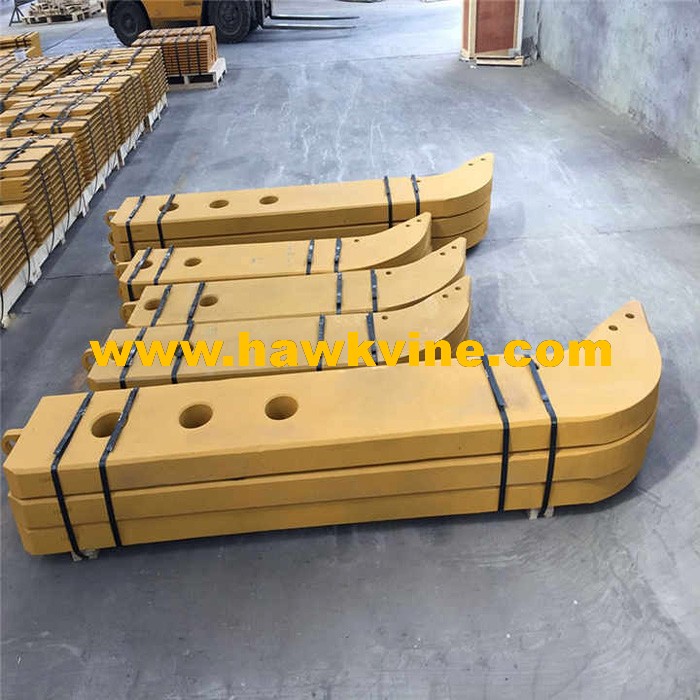
A ripper shank is a heavy-duty attachment designed for excavators, used to break up hard or compacted surfaces. It features a sharp, pointed tip that penetrates the ground, fracturing materials like rock, clay, or frozen soil. Ripper shanks are essential for tasks such as land clearing, mining, road construction, and trenching.
Why Use a Ripper Shank?
- Efficiency: Breaks through tough materials faster than traditional digging methods.
- Versatility: Works on a variety of surfaces, from rocky terrain to frozen ground.
- Cost-Effectiveness: Reduces wear on the excavator bucket and minimizes fuel consumption.
- Precision: Allows for controlled breaking, reducing collateral damage to surrounding areas.
Types of Ripper Shanks
- Single Shank Ripper
- Features a single, robust tooth for maximum penetration.
- Ideal for extremely hard surfaces like solid rock or heavily compacted soil.
- Multi-Shank Ripper
- Equipped with multiple teeth for broader coverage.
- Best for softer but still challenging materials like clay or gravel.
- Adjustable Ripper Shank
- Allows operators to adjust the angle and depth of penetration.
- Provides flexibility for varying ground conditions.
- Fixed Ripper Shank
- Non-adjustable, offering consistent performance.
- Commonly used in mining and quarrying operations.
Key Features of a High-Quality Ripper Shank
- Durable Materials: Made from high-strength steel or alloy for longevity.
- Replaceable Tips: Tips can be swapped out when worn, extending the shank’s lifespan.
- Reinforced Design: Extra bracing or plating to withstand high-impact forces.
- Compatibility: Designed to fit specific excavator models and sizes.
Applications of Ripper Shanks
- Mining: Breaking up rock and ore for extraction.
- Construction: Preparing sites by loosening compacted soil or rock.
- Landscaping: Clearing land and removing tree roots.
- Agriculture: Breaking up hardpan soil for better water and nutrient absorption.
- Roadwork: Trenching and breaking asphalt or concrete.
Benefits of Using a Ripper Shank
- Increased Productivity: Reduces the time needed to break through tough materials.
- Reduced Wear on Equipment: Minimizes strain on the excavator’s bucket and hydraulic system.
- Cost Savings: Lowers fuel consumption and maintenance costs.
- Enhanced Versatility: Expands the range of tasks your excavator can handle.
Maintenance Tips for Ripper Shanks
- Regular Inspections: Check for cracks, wear, or damage after each use.
- Lubrication: Keep moving parts well-lubricated to prevent rust and ensure smooth operation.
- Replace Worn Tips: Swap out worn or broken tips promptly to maintain performance.
- Clean After Use: Remove dirt and debris to prevent corrosion.
- Store Properly: Keep the shank in a dry, secure location when not in use.
How to Choose the Right Ripper Shank
- Excavator Size: Match the shank’s size and weight to your excavator’s capacity.
- Material Type: Consider the ground conditions—hard rock requires a single shank, while softer materials may need a multi-shank design.
- Durability: Opt for shanks made from high-strength steel with replaceable tips.
- Compatibility: Ensure the shank fits your excavator’s mounting system.
- Brand Reputation: Choose reputable manufacturers for quality and reliability.
Common Mistakes to Avoid
- Using the Wrong Shank: A mismatched shank can damage your excavator or fail to perform.
- Neglecting Maintenance: Poor upkeep leads to premature wear and costly repairs.
- Overloading: Exceeding your excavator’s capacity can cause equipment failure.
- Ignoring Safety: Always follow safety protocols to protect operators and machinery.
FAQ: Ripper Shanks
Q: Can I use a ripper shank on any excavator?
A: No—ripper shanks must match your excavator’s size, weight capacity, and mounting system.
Q: How do I know when to replace the shank tip?
A: Replace the tip when it becomes dull, cracked, or significantly worn to maintain efficiency.
Q: What’s the difference between a ripper shank and a bucket?
A: A ripper shank is designed for breaking hard materials, while a bucket is for scooping and moving loose material.
Q: Can I use a ripper shank in wet conditions?
A: Yes, but ensure the shank is made from corrosion-resistant materials and clean it thoroughly after use.
Q: How do I store a ripper shank?
A: Store it in a dry, secure location, preferably off the ground to prevent rust and damage.
Conclusion
Ripper shanks are indispensable tools for any excavation project involving tough terrains. By selecting the right shank, maintaining it properly, and using it correctly, you can significantly enhance your excavator’s performance and extend its lifespan. Whether you’re breaking rock, clearing land, or preparing a construction site, a high-quality ripper shank ensures efficiency, durability, and cost-effectiveness.
Pro Tip: Pair your ripper shank with a skilled operator to maximize its potential and achieve the best results.
By understanding the importance of ripper shanks and investing in the right equipment, you can tackle even the most challenging projects with confidence. Don’t let tough terrains slow you down—equip your excavator with a ripper shank and dig deeper, faster, and smarter.
Caterpillar Ripper Shank: 103-8115, 104-9275, 104-9277, 104-9279, 107-3485, 107-3486, 109-3135, 109-9114, 114-4503, 118-2140, 8E5339, 8E5340, 8E5341, 8E5342, 8E5345, 8E5346, 8E5347, 8E5348, 8E8411, 8E8412, 8E8413, 8E8414, 8E8415, 8E8416, 8E8417, 8E8418, 9J3139, 9J6586, 9J8913, 9J8923, 9W7382
Komatsu Ripper Shank: 10Y-84-50000, 1189-89-09000LS, 144-78-11243, 154-78-14348, 15A-79-11120, 16Y-84-30000, 175-78-21615, 175-78-21693, 17M-78-21360, 185-89-06000, 195-78-14350, 195-78-71380, 195-79-31140, 195-79-31141, 195-79-51151, 198-78-21430, 198-79-21320, 23Y-89-00100, 24Y-89-30000, 24Y-89-30000-2, 24Y-89-50000, 24Y-89-50000-2, 31Y-89-07000, 31Y-89-07000-2