
Understanding the Key Components and Functions of Excavator Swing Bearings
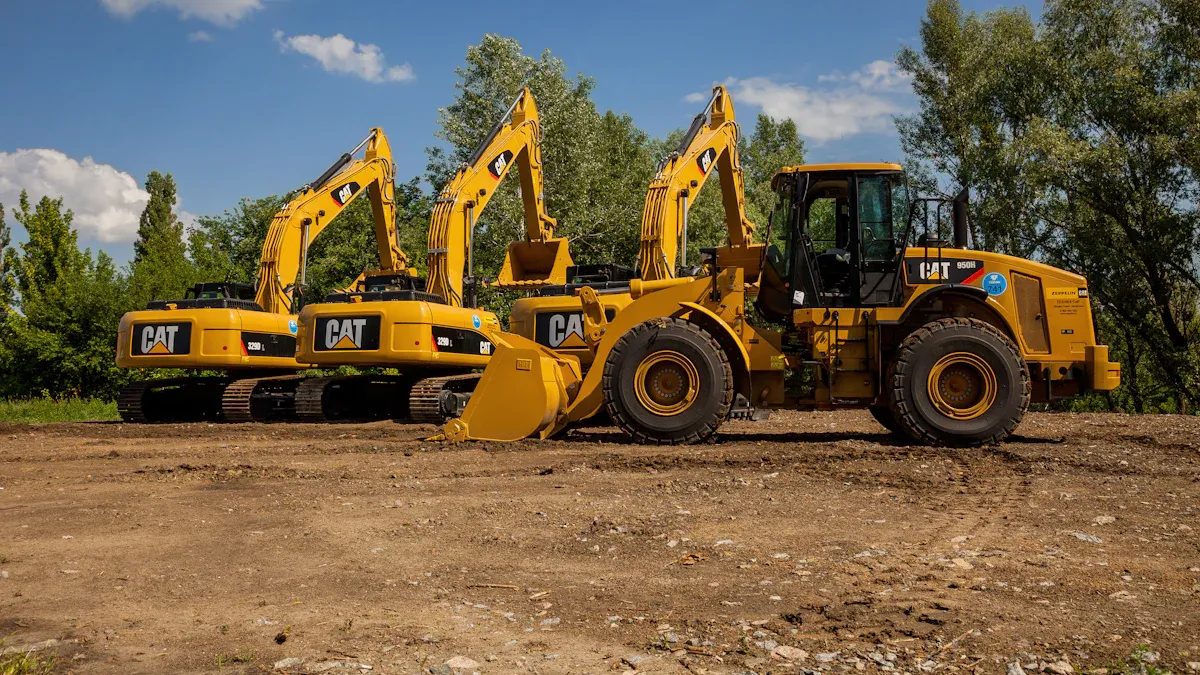
You depend on the excavator swing bearing to join the top and bottom frames. It is also called the slewing ring. This big round bearing has an inner ring and an outer ring. It also has rolling parts, a cage, seals, and a system for oil or grease. These parts help everything move well. The swing bearing lets the top part of your excavator turn all the way around. It can spin 360 degrees, even when lifting heavy things. Brands like Caterpillar Swing Bearing and Komatsu Swing Bearing use this setup. They can handle up and down forces and side-to-side forces. This gives your machine good balance and helps it work well.
Key Takeaways
- Excavator swing bearings let the machine turn all the way around. This helps it dig, lift, and dump things easily.
- You should check and oil the swing bearing every 50 hours. This keeps it working well and helps it last longer.
- Seals keep dirt and water away from the swing bearing. This stops damage and helps it work smoothly.
- Knowing about different loads, like axial, radial, and moment, is important. It helps you use the right weight and not break the swing bearing.
- Watch for signs of wear, like strange sounds or metal bits in grease. Finding problems early can help you avoid expensive repairs.
Excavator Swing Bearing Components
When you look at an Excavator Swing Bearing, you see many parts. Each part does something important. These parts work together so your excavator moves safely and smoothly.
Inner Ring
The inner ring is inside the bearing. It connects to the top part of your excavator. This ring needs to be very strong. It holds heavy weight and moves a lot. Makers use tough steel like 50Mn or 42CrMo for the inner ring. These steels make the ring strong and help it last longer, even when things get rough.
| Material Type | Description | Impact on Durability |
|---|---|---|
| Surface-hardened steel | 50Mn steel, 42CrMo steel | High strength and durability in demanding environments |
Outer Ring
The outer ring is the outside part of the Excavator Swing Bearing. It connects to the bottom frame of your machine. This ring is also made from strong steel. It holds up the top part and keeps things steady. The outer ring and inner ring work together. They handle up-and-down and side-to-side forces.
Rolling Elements
Rolling elements go between the inner and outer rings. They can be balls or rollers. These parts help the bearing spin easily. The kind of rolling element changes how much weight the bearing can hold. Here is a table to show the different types:
| Type of Bearing | Characteristics |
|---|---|
| Single-Row Ball Slewing Bearings | Good for moderate loads, smooth rotation, used in small to mid-sized excavators. |
| Double-Row Ball Slewing Bearings | Better load distribution, higher load capacity, used in larger excavators. |
| Single-Row Crossed Roller Slewing | Higher load capacity, more contact area, good for medium to large excavators. |
| Three-Row Roller Slewing Bearings | Very high load capacity, improved stability, best for heavy-duty excavators. |
| Combined Ball and Roller Slewing | High capacity and flexibility, used for many excavator sizes and jobs. |
You need to pick the right type for your machine. This helps your Excavator Swing Bearing hold heavy loads and last longer.
Cage
The cage keeps the rolling elements in place. It spaces them out evenly. This helps spread the weight across all the rolling elements. When the cage works well, the balls or rollers do not rub together. This lowers friction and helps your bearing last longer.
Tip: A good cage design means less wear and smoother movement for your excavator.
- The cage keeps rolling elements in the right spot.
- It spreads the load out evenly.
- It stops friction between balls or rollers.
- This helps your bearing work better and last longer.
Seals
Seals protect the inside of the bearing. They keep out dirt, dust, and water. On a job site, there is a lot of dust and mud. Good seals stop these things from getting in and causing problems. This helps your bearing run smoothly and last longer. Seals also keep grease or oil inside the bearing, which is needed for smooth movement.
Lubrication System
The lubrication system helps the bearing move easily. It adds grease or oil to lower friction. This system also stops wear and rust. The best lubrication system depends on your excavator’s size. Here is a table to show what works best:
| Excavator Size | Recommended Lubrication System |
|---|---|
| Mini excavators (<15 tons) | Single-line systems with 15-20% extra capacity |
| Standard excavators (15-45 tons) | Progressive systems with monitoring and fault detection |
| Large excavators (45+ tons) | Dual-line systems with backup and predictive maintenance |
You should check your lubrication system often. This helps your Excavator Swing Bearing work well and last a long time.
Excavator Swing Bearing Functions
Rotation Support
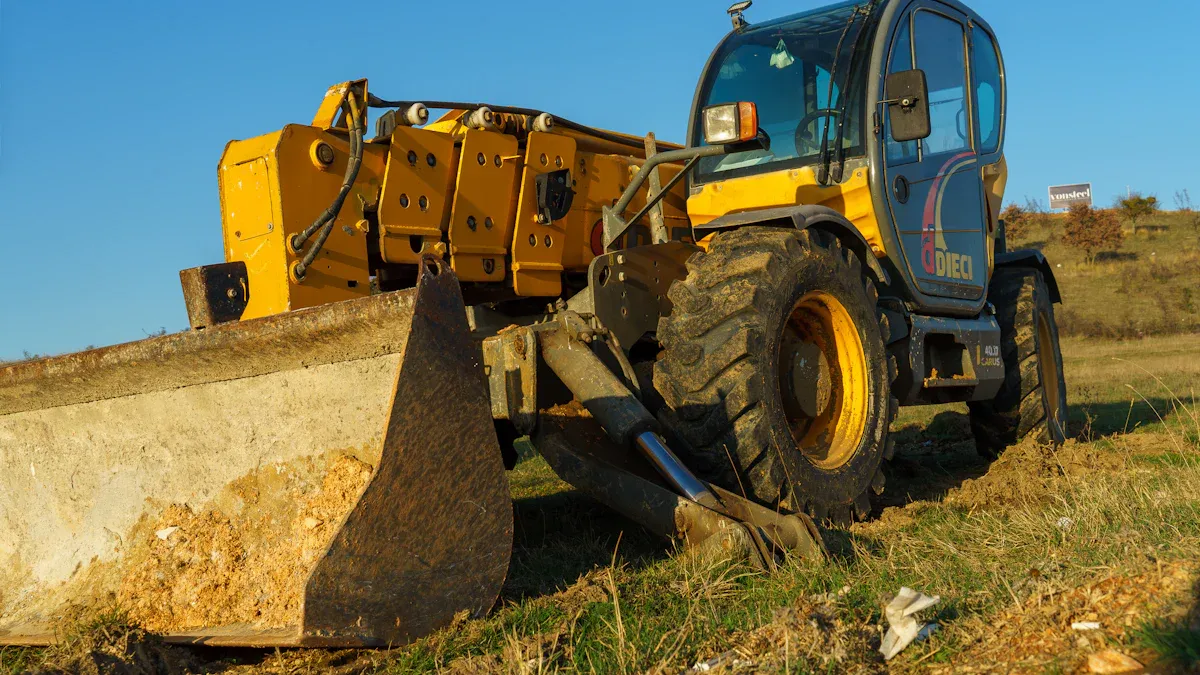
You rely on the Excavator Swing Bearing to help your machine turn smoothly. This part sits between the upper and lower frames. When you move the controls, the swing bearing lets the cab and arm rotate in a full circle. You can swing the excavator left or right without stopping. This rotation makes digging, lifting, and dumping much easier. The swing bearing uses rolling elements to reduce friction. You get smooth movement even when the machine carries heavy loads. Fast and precise rotation helps you finish jobs quickly and safely.
- The swing bearing allows 360-degree movement.
- You can position the bucket exactly where you need it.
- Smooth rotation means less wear on other parts.
Tip: Always check for smooth movement when you operate your excavator. Stiff or jerky rotation can signal a problem with the swing bearing.
Load Bearing
The Excavator Swing Bearing does more than just help your machine turn. It also supports heavy loads every time you dig or lift. The bearing handles three main types of forces:
- Axial Loads: These push down from the weight of the cab and arm.
- Radial Loads: These push from the side, like when you swing a heavy bucket.
- Moment Loads: These twist the bearing, especially when you lift something far from the center.
The swing bearing spreads these forces across its rings and rolling elements. This design keeps your excavator stable, even during tough jobs. You can trust the bearing to hold up under pressure. If you overload the bearing, you risk damage and unsafe operation. Always follow the load limits for your machine.
| Type of Load | What It Means | Example Situation |
|---|---|---|
| Axial | Up-and-down force | Lifting a full bucket |
| Radial | Side-to-side force | Swinging the arm sideways |
| Moment | Twisting or turning force | Lifting with the arm extended |
Stability Connection
You need a strong connection between the upper and lower parts of your excavator. The swing bearing gives you this link. It holds the top and bottom frames together, so your machine stays steady. During heavy-duty work, the swing bearing keeps the excavator balanced. It spreads the weight and force across the whole structure. This design helps prevent tipping or shaking, even when you work on uneven ground.
Swing bearings play a key role in machine stability. They create a solid bond between the main parts of your excavator. This connection lets you work safely, even with big loads or tough digging. You can trust your machine to stay upright and secure because of the swing bearing’s strength.
Note: If you notice extra movement or noise at the base of your excavator, check the swing bearing right away. Early action can prevent bigger problems and keep your machine safe.
Maintenance Best Practices
Regular Inspection
Check your swing bearing often to find problems early. Look at it with your eyes and use special tools. Ultrasonic testing helps you find hidden faults before they get worse. This test shows issues like bad lubrication or parts not lined up right. Checking often helps your excavator last longer and saves money on repairs.
| Maintenance Action | Interval |
|---|---|
| Check pre-tightening force of slewing ring bolts | Every 100 to 500 hours, then every 1000 hours after the first period |
| Add grease to the raceway from oil cups | Every 50 hours |
Tip: Checking your machine often stops hydraulic system problems and lowers repair costs.
Lubrication
Good lubrication helps your swing bearing last longer. Always use the best lubricants you can find. Not enough grease causes wear and makes things too hot. Too much grease also makes heat and can hurt the bearing.
- Use only the best lubricants.
- Do not use too much or too little grease.
- Grease the bearing every 50 hours.
Note: Good lubrication keeps dirt out and helps your bearing work well.
Seal Checks
Seals keep dirt and water away from your swing bearing. Check the seals often so you do not get dirt inside or have early problems.
| Maintenance Aspect | Recommendation |
|---|---|
| Greasing Frequency | Every four to six months |
| Importance of Lubrication | Stops dirt and wear |
| Consequences of Neglect | Bearing failures costing $15-45K each |
Alert: Broken seals can make repairs cost a lot of money.
Load Management
You can stop overloading by using safe load rules. Use systems that show weight while you work. Make sure all operators learn how to use loads safely.
- Check for damage on important parts.
- Keep your machine in good shape to stop sudden problems.
- Use systems that watch the load.
- Teach all operators how to handle loads safely.
Wear Signs
Look for these signs that show too much wear:
- Metal flakes in the grease.
- Grinding, popping, or clicking sounds.
- Extra movement in the bearing.
- Harder turning or wobbling when you use it.
- Popping and cracking noises.
Tip: Finding problems early lets you fix them before they get worse. This saves money and keeps your machine safe.
When you know how each swing bearing part works, you make your machine safer. You also help it work better.
- If you check the swing motor and hydraulic system, you find problems early.
- Knowing about these parts helps you control your machine well. It also helps you get more work done.
If you do not take care of your machine, it can break down. Fixing big problems costs a lot and takes more time.
Follow these tips to keep your excavator safe and working well on every job.
FAQ
How often should you grease your excavator swing bearing?
You should grease the swing bearing every 50 hours of use. This keeps the bearing moving smoothly and helps prevent wear. Always use the right type of grease for your machine.
What signs show your swing bearing needs repair?
Look for metal flakes in the grease, strange noises, or extra movement in the bearing. If you notice hard turning or wobbling, check the swing bearing right away.
Can you replace a swing bearing yourself?
You can replace a swing bearing if you have the right tools and skills. Most people call a trained technician. The job needs careful lifting and alignment.
Why do seals matter for swing bearings?
Seals keep dirt, water, and dust out of the bearing. Good seals help your bearing last longer. If you see grease leaking or dirt inside, check the seals soon.