A Complete Buyer’s Guide to Agricultural Rubber Tracks for 2025
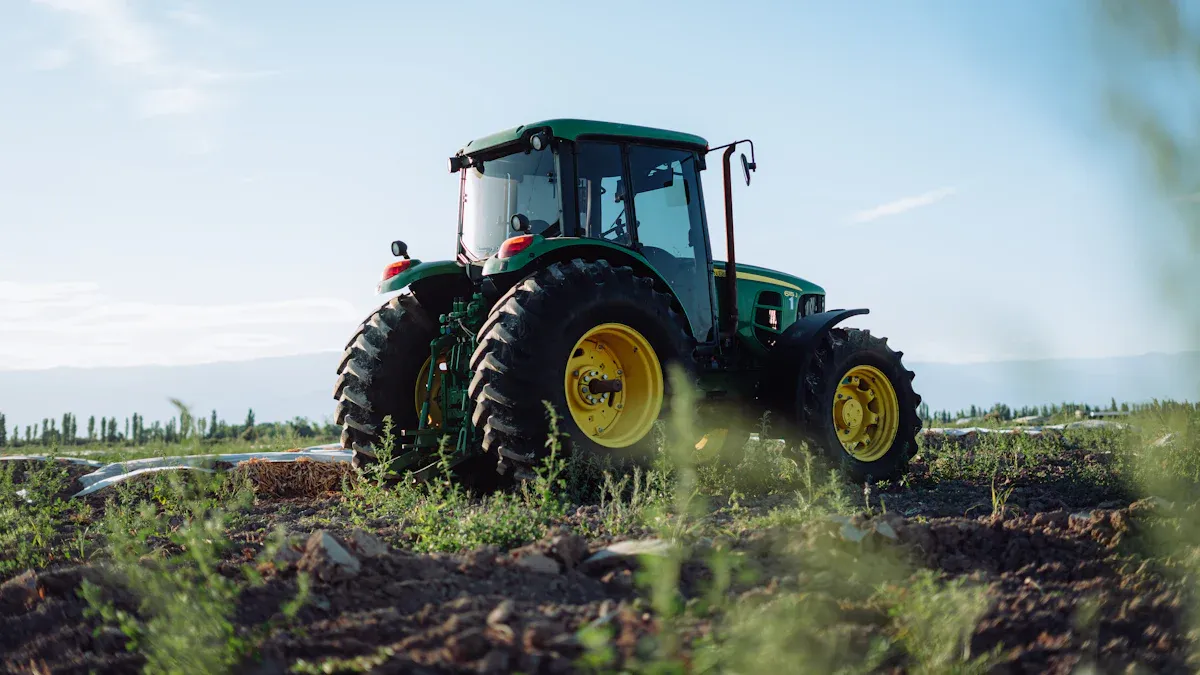
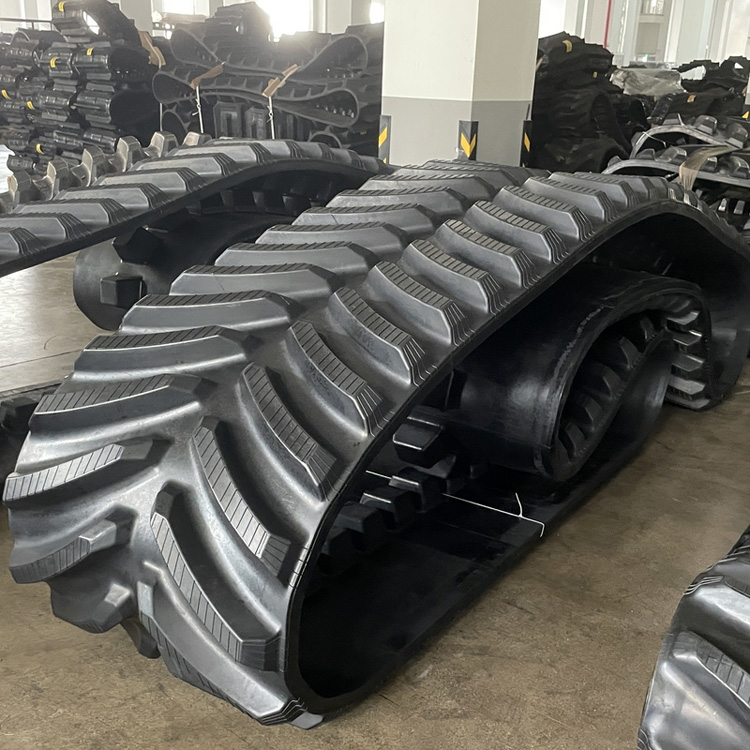
Selecting the right agricultural rubber track matters if you want the best value for your farm equipment. High-quality rubber tracks help your machinery work better in the field. You need to check that the track fits your machine, lasts a long time, and meets your needs. Experts from Agricultural Rubber Track Manufacturers and China Agricultural Rubber Tracks Factory say you should always match tracks to your application. Recent reports show:
- The global Agricultural Rubber Tracks Market is set to grow from USD 0.169 billion in 2024 to USD 0.17 billion in 2025.
- By 2033, it could reach USD 0.23 billion.
- The growth rate from 2025 to 2033 is about 3.29% per year.
Rubber Agricultural Tracks give you better traction, protect your soil, and handle tough terrain.
Key Takeaways
- Picking the right agricultural rubber track helps your machine work better and faster. Rubber tracks give more grip and keep the machine steady, so you can work safely on different ground. The right size and tread pattern are very important for your machine to work well and to protect the soil. Checking and taking care of rubber tracks often can make them last longer and stop expensive fixes. Buying good tracks from trusted brands makes them last longer and helps your farm do better.
Agricultural Rubber Track Benefits
Traction and Stability
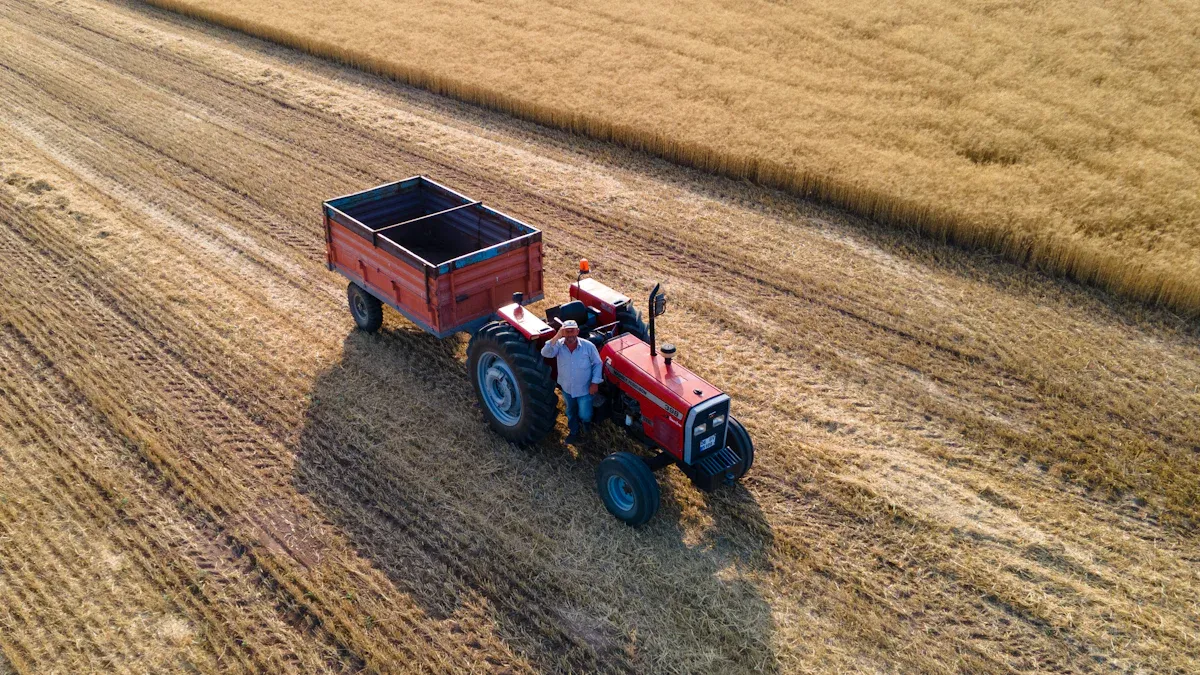
You want your equipment to move easily in the field. Rubber tracks help your machine grip the ground better. They give you more traction and keep your machine steady. Even on hills or loose dirt, rubber tracks work well. They spread your machine’s weight, so it does not slip. This means you can work faster and stay safe. Combine harvesters also work better with good traction. You will have fewer delays and smoother work. Rubber tracks help you stay productive, even if the weather changes.
Soil Protection
It is important to keep your soil healthy for crops. Rubber tracks put less pressure on the ground. This helps stop soil from getting packed down. Your fields stay in better shape. Roots can grow stronger in loose soil. Here are some facts about soil protection:
- Rubber tracks usually pack the soil less than tires.
- Tire air pressure is important. Tires with the right air can work almost as well as tracks.
- Studies show that the right tire air can help stop soil from packing down.
Using rubber tracks helps your soil stay healthy. This can give you better crops and keep your fields good for longer.
Performance on Challenging Terrain
Farms have many types of ground. Rubber tracks help you work on mud, sand, and bumpy land. They give you better grip in wet or soft places. You can keep working when others might stop. Combine harvesters work better in tough spots with rubber tracks. Good rubber tracks last longer, so you fix them less. You get more work done because your machines do not get stuck. Rubber tracks last a long time and are strong. They are a smart choice for any farm.
Tip: Picking the right rubber track can help you work better and protect your machines. Choose tracks that last long and give good grip for the best results.
Types of Agricultural Rubber Tracks
Standard Tracks
Standard tracks are common on farm machines. They work well for most jobs. You get good results in fields with normal soil. These tracks use simple tread patterns. You can use them for planting and harvesting. They fit many tractors and harvesters. You do not need special tools to put them on. Standard tracks help your machine keep moving. You save time because you do not change tracks often.
Tip: Standard tracks are good for daily farm work. Pick them if you want an easy choice for most jobs.
Heavy-Duty Tracks
Heavy-duty tracks are strong for tough jobs. You use them with big machines. They have thicker rubber and strong steel cords. These tracks work better in rocky or wet fields. Heavy-duty tracks last longer and do not tear easily. You spend less time fixing them. These tracks hold up bigger machines with more power. You can work longer without worrying about damage.
- Heavy-duty tracks work well on rough ground.
- You get better grip and stability.
- These tracks help your machine in hard places.
Wide vs. Narrow Tracks
You need to pick wide or narrow tracks for your farm. Each type has its own good points. Wide tracks spread your machine’s weight out more. You get better grip and less soil damage. Narrow tracks help you move in small spaces. They work well with row crops. You can switch between crops more easily.
Here is a table to compare wide and narrow tracks:
| Aspect | Wide Tracks Benefits | Narrow Tracks Benefits |
|---|---|---|
| Cost | Costs more at first, but needs less fixing | Costs less at first, but needs more fixing |
| Maintenance | Stronger, wears less in soft fields | Needs fixing more often |
| Traction | Better grip in muddy or soft fields | Easier to move in small spaces |
| Fuel Economy | Uses less fuel, spreads weight better | May use more fuel because it slips more |
| Soil Compaction | Hurts soil less, keeps it healthy | Packs soil more, good for row crops |
| Versatility | Not easy to change tread spacing | Easy to use for different crops |
Note: Wide tracks help protect your soil and make machines work better in soft fields. Narrow tracks give you more control in small areas and are good for special crops.
Choosing the Right Track
Compatibility and Sizing
You need to make sure the agricultural rubber track fits your machine. Every machine has its own size and weight. The track size must match your equipment. Using the wrong size causes problems. You might see uneven wear on the rubber track. Your machine could slip while working. The track might come off and stop your work. Sometimes, the track does not work well with drive sprockets. This lowers how well your machine works. If the track is not lined up, it can move sideways. Always measure your machine’s undercarriage before buying. Look at the width, pitch, and length. Check your machine’s weight and horsepower. Heavy machines need stronger tracks. If the track is too small, it wears out fast. If the track is too big, it may not fit or work right. Always follow the manufacturer’s guide for sizing. This helps you avoid mistakes and keeps your machine working well.
Tip: The right size track makes the ride smoother and keeps your machine safe on any ground.
Tread Patterns
Tread patterns change how your machine moves on different ground. Pick a tread that matches your field and job. Some treads work better on soft ground. Others help on hard or rocky land. Here is a table to help you choose:
| Tread Pattern | Best For | Key Benefits |
|---|---|---|
| Rib Tread | Mowing and Turf Maintenance | Less turf damage, good grip on hard ground |
| Rib Tread | Transport | Rolls easier, more stable at high speeds |
| Rib Tread | Harvesting | Packs soil less, keeps machine steady |
| Rib Tread | Livestock Feeding | Stops deep ruts on soft ground |
| Rib Tread | Orchard and Vineyard | Packs soil less, easy to steer |
| Rib Tread | Planting and Seeding | Smooth tread stops getting stuck |
| Rib Tread | General Farm Work | Works well for many jobs |
| Bar Lug Tread | Muddy Conditions | Great grip in wet places |
| Bar Lug Tread | Off-road Conditions | Best grip on soft or bumpy ground |
| Bar Lug Tread | Heavy Loads | Handles heavy loads well |
| Bar Lug Tread | Hilly Terrain | Grips better on hills |
| Bar Lug Tread | Loose Gravel | Stays steady on loose ground |
Rib tread patterns are good for mowing, harvesting, and most farm jobs. They help keep soil loose and give you steady movement. Bar lug treads are best for muddy or hilly places. They grip well and help with heavy loads. Picking the right tread makes work easier and more comfortable. It also helps protect your soil and crops.
Note: The right tread pattern helps you stay comfortable and keeps your machine steady on any ground.
Durability and Material Quality
You want your rubber track to last a long time. Strong tracks matter most in tough fields. Good tracks use strong rubber and reinforced carcasses. These materials help the track fight cuts, cracks, and chunking. Premium tracks can last 5,000 to 7,000 hours. Standard tracks may last only 2,000 to 3,000 hours. Strong tracks handle heavy loads and rough ground better. They also make the ride smoother by stopping bumps and shocks.
When picking a rubber track, look for these features:
- High-grade rubber compounds
- Reinforced steel cords
- Deep grooves for better grip
- Tread designs that fight damage
Tracks with these features last longer and stay strong. They help you save money because you fix them less. You spend more time working and less time repairing. Good tracks also make the ride smoother, which helps you and your team feel better.
Tip: Strong tracks mean fewer breakdowns and more comfort for every operator, no matter the ground.
Track Sizing Guide
Measurement Steps
You want your agricultural rubber tracks to fit perfectly. Start by measuring your machine’s undercarriage. Use a tape measure to check the width of the track area. Write down the measurement in inches or millimeters. Measure the total length of the track path around the wheels. Count the number of drive lugs on your old track. Look at the pitch, which is the distance between each lug. You need these numbers to match your new track. If you use skid steer loader rubber tracks, always check the manufacturer’s guide for exact sizing. Many machines have special requirements. You can ask your local dealer for help if you feel unsure. Accurate measurements help you avoid problems later.
Tip: Always double-check your measurements before you order new skid steer loader rubber tracks. A small mistake can lead to big issues in the field.
Avoiding Sizing Errors
Sizing errors can damage your machine and waste money. You can avoid these mistakes by following a few simple steps. Here are the most common sizing errors and how to prevent them:
- Track width must support the wheel of the undercarriage. If the track is too narrow, it can cause damage.
- Length and drive lug specifications matter for positive drive undercarriages. Wrong specs can lead to poor gear engagement.
- Always consult OEM documentation and local dealers for accurate fitment. This helps you pick the right skid steer loader rubber tracks every time.
You should never guess the size of your skid steer loader rubber tracks. Use the numbers from your measurements and compare them with the manufacturer’s recommendations. If you see uneven wear or the track slips, check your sizing again. Proper sizing keeps your machine safe and working well.
Note: Correct sizing of skid steer loader rubber tracks means less downtime and fewer repairs. Your equipment will last longer and perform better.
Best Rubber Tracks Brands
Top Brands
You want to choose the best replacement rubber tracks for your farm equipment. Several brands stand out in 2025. Camso, Bridgestone, and Soucy Track lead the market. Camso offers tracks with strong rubber compounds and deep tread patterns. Bridgestone focuses on durability and soil protection. Soucy Track designs tracks for many types of machinery. You can find the best replacement rubber tracks for tractors, harvesters, and skid steers from these brands.
Here is a table to help you compare the top brands:
| Brand | Strengths | Popular Models |
|---|---|---|
| Camso | Long life, strong grip | AG 6500, CTS High Speed |
| Bridgestone | Soil care, smooth ride | AG Track, VT-Combine |
| Soucy Track | Wide range, easy fit | S-Tech 1000, S-Tech 600 |
Tip: You should check which brand matches your machine and field needs before buying the best replacement rubber tracks.
Model Features
You need to look at model features when picking the best replacement rubber tracks. New models in 2025 use advanced rubber compounds for longer life. Many tracks now have ergonomic designs that reduce vibration. This helps you work longer without feeling tired. Some tracks include sensors that monitor wear and soil pressure. You can use this data to plan maintenance and protect your fields.
Manufacturers now use eco-friendly materials and energy-saving methods. You help the environment when you choose these tracks. Specialized tracks fit different terrains, like mud or rocky ground. You get better traction and less soil compaction. Precision agriculture also shapes track design. Tracks with smart features help you get the best results from your equipment.
You should always compare tread patterns, groove depth, and steel cord reinforcement. These features make the best replacement rubber tracks last longer and work better. You save money and time by choosing tracks that fit your machine and job.
Note: The best rubber tracks combine strong materials, smart technology, and comfort. You get more work done and protect your land with the best replacement rubber tracks.
Buyer’s Guide to Maintenance
Inspection and Cleaning
You need to inspect your agricultural rubber tracks every day. Look for deep cuts, abrasions, or cracks. These signs show that your tracks may wear out soon. Check for packed mud, rocks, or debris after each use. Cleaning the tracks helps prevent damage and keeps your machine running smoothly. Use a brush or water to remove dirt. Pay attention to the sprockets and bolts. Make sure bolts stay tight and sprockets do not show damage. Track tension matters. If the track feels too loose or too tight, adjust it using your equipment manual. Proper tension helps avoid slippage and keeps the track from derailing.
Tip: Regular cleaning and inspection help you spot problems early and extend the life of your tracks.
Storage Tips
You should store your equipment in a dry, ventilated area. Sunlight and moisture can damage rubber tracks. Suspend the tracks if possible. This keeps them from sitting in one spot and wearing unevenly. Avoid leaving your machine outside for long periods. High temperatures and rough terrain can shorten track life. Monthly inspections of rollers and drive wheels help you find worn parts before they cause bigger problems. Replace damaged parts quickly to protect your tracks.
Here is a simple table for storage tips:
| Storage Action | Benefit |
|---|---|
| Store in dry area | Prevents rot and mold |
| Keep away from sun | Stops rubber cracking |
| Suspend tracks | Reduces flat spots |
| Ventilate space | Lowers moisture damage |
Replacement Timing
You need to know when to replace your rubber tracks. Watch for these signs:
- Problems with sprockets
- Cracks on the tracks
- Tracks keep losing tension
- Lugs are missing
- Dry-rotted tracks
- Worn tread
- Steel cording is visible
- Deteriorating guide rail
If you see any of these issues, plan to replace your tracks soon. Worn tracks can cause machine breakdowns and damage your fields. Replacing them at the right time keeps your equipment safe and productive.
Note: Timely replacement saves you money and helps your farm run smoothly. Always check your tracks before each season starts.
Picking the right agricultural rubber tracks helps your equipment work well. You should check if the tracks fit your machine. Make sure you pick the right size and tread pattern. Strong materials help the tracks last longer. This buyer’s guide can help you make good choices. Taking care of your tracks is important too:
- Checking your tracks often helps you find small problems fast.
- Keeping the track tight stops it from getting ruined.
- Cleaning takes away dirt that can hurt the tracks.
- Looking at your tracks a lot helps them last longer.
When you make smart choices and care for your tracks, you save money and get better results.
FAQ
How often should you inspect your rubber tracks?
You should check your rubber tracks every day before using your machine. Look for cracks, cuts, or missing lugs. Early checks help you find problems fast and keep your equipment safe.
Tip: Daily inspections help you avoid costly repairs.
Can you use the same tracks on different machines?
You cannot always use the same tracks on different machines. Each machine has its own size and weight. Always check the manufacturer’s guide before switching tracks.
What is the best way to clean rubber tracks?
Use water and a stiff brush to remove dirt and debris. Clean the tracks after each use. Make sure you remove rocks and mud from the tread and undercarriage.
- Clean tracks last longer.
- Clean tracks work better.
How do you know when to replace your tracks?
Watch for these signs:
| Sign | What It Means |
|---|---|
| Cracks or splits | Rubber is wearing out |
| Missing lugs | Track may slip |
| Exposed steel cords | Track is unsafe |
Replace tracks if you see any of these problems.
Do wide tracks always protect soil better?
Wide tracks spread your machine’s weight over a larger area. This helps protect soil from compaction. For row crops or tight spaces, narrow tracks may work better. Choose the track that fits your field and crop needs.
AGCO CAT Challenger CASE IH John Deere Versatile Delta Agricultural Rubber Track:
AGCO MT700 18″ Agricultural Rubber Tracks Friction Drive TF457 x 152.4 x 58A
OEM: 655-1826, 635-1815, 635-1840
AGCO:1R-1259, 520018D1, 554084D1, 563753D1, 563754D1
MFG: ACP0316940
AGCO MT700 25″ Agricultural Rubber Tracks Friction Drive TF635 x 152.4 x 58A
OEM: 655-2536, 635-2521, 635-2533
AGCO OEM: ACP0316950, 581854D1, 1R-1262, 554087D1, 563760D1, 563758D1
MFG: A25AR03295, E25AR02989
AGCO MT800 30″ Agricultural Rubber Tracks Friction Drive 762×152.4×65
AGCO Dealer No: A30AS03297
AGCO Part No: 1R-1266:1R-1325, 508598D1, 518709D1, 554090D1, 554102D1, 554112D1, 563766D1, 554102D1
Alternate Part No: 636-3029, 636-3063, 656-3031, 656-3045, 656-3058, 656-3059
AGCO MT800 36″ Agricultural Rubber Tracks Friction Drive 915×152.4×65
AGCO Dealer No: 554096D1
Alternate Part No: 696-3066, E30AS02932, 581865D1
AGCO FENDT MT700 18″ Rubber Tracks Friction Drive TF457 x 152.4 x 58A
OEM: 635-1815, 635-1840, 655-1826
AGCO OEM: 1R-1259, 520018D1, 554084D1, 563753D1, 563754D1
MFG: ACP0316940
AGCO FENDT MT700 25″ Rubber Tracks Friction Drive TF635 x 152.4 x 60A
Case IH STX Quadtrac 36″ Agricultural Rubber Tracks Positive Drive 915×152.4×42
OEM: 87734600, 84214145
Case IH Streiger 18″ Agricultural Rubber Tracks Positive Drive 457×152.4×44
Case IH Axial Flow 24″ Agricultural Rubber Tracks Positive Drive 610×152.4×44
Case IH Streiger 24″ Agricultural Rubber Tracks Positive Drive 610×152.4×44
Case IH Axial Flow 30″ Agricultural Rubber Tracks Positive Drive 762×152.4×44
Case IH Streiger 30″ Agricultural Rubber Tracks Positive Drive 762×152.4×44
Case IH Axial Flow 36″ Agricultural Rubber Tracks Positive Drive 915×152.4×44
Case IH STX Quadtrac 30″ Agricultural Rubber Tracks Positive Drive 762×152.4×42
Case IH 9300 Agricultural Rubber Tracks Positive Drive 762×152.4×39
Case IH 9301 36″ Agricultural Rubber Tracks Positive Drive 915×152.4×39
CAT Challenger 35 45 55 Agricultural Rubber Track Friction Drive 457X152.4X53 635X152.4X53 762X152.4X53 TF457 x 152.4 x 53A, TF635 x 152.4 x 53A, TF762 x 152.4 x 53A.
Replaces Challenger OEM : 630-1801, A18AH03303
CAT Challenger 65 75 85 95 25″ Agricultural Rubber Track Friction Drive 635X152.4X57, TF635 x 152.4 x 57C
Caterpillars OEM: 632-2529, 652-2506, 622-2515
Replaces Mfg Nos AF5355, ACP0316940
CAT Challenger 65 75 85 95 30″ Agricultural Rubber Track Friction Drive 762X152.4X57, TF762 x 152.4 x 57C
Caterpillars OEM: 652-3049, 652-3052, 652-3004, 652-3055
Claas Terra Trac Agricultural Rubber Tracks Friction Drive 25″ 30″ 35″ 36″
John Deere 8000T 18″ Agricultural Rubber Tracks Friction Drive 457×152.4×54
OEM: R312148, R312149, R222976, R246869, R241742
Manufacturer No.: A18AT03308, 631-1803, 631-1804, 651-1823, 651-1824
John Deere 8000T 25″ Agricultural Rubber Tracks Friction Drive 635×152.4×54
OEM: R241750, R246870, R241745, R545939
Manufacturer No: 631-2503, 631-2509, 621-2510, F25AT01942
John Deere 8000T 30″ Agricultural Rubber Tracks Friction Drive 762×152.4×54
OEM: R293500, R292528, R545938, R292531, R545938
Manufacturer No: 621-3037, 631-3040, F30AT02943, 651-3039
John Deere 8RT 18″ Agricultural Rubber Tracks Friction Drive 457×152.4×59
OEM: R545856, R545859, R266187, R266190, R313220, R313222, R545858, R545859, R545857, R545858, R545859
John Deere 8RT 25″ Agricultural Rubber Tracks Friction Drive 635×152.4×59
OEM: R545861, R545862, R545865, R265477, R272485, 631-2524, 651-2525, F25AY02952, F25AY03012
John Deere 8RT 30″ Agricultural Rubber Tracks Friction Drive 762×152.4×59
OEM:R545864
Camso: E30AY03013
John Deere 8RX 18″ Agricultural Rubber Track Positive Drive Front 457×152.4×35
OEM: R571655
Camso: F18CD03570
John Deere 8RX 18″ Agricultural Rubber Track Positive Drive Rear 457×152.4×45
OEM: R571658
Camso: F18CA03569
John Deere 8RX 24″ Agricultural Rubber Track Positive Drive Front 610×152.4×45
OEM: R571656
Camso: F24CD03574
John Deere 8RX 24″ Agricultural Rubber Track Positive Drive Rear 610×152.4×45
OEM: R571659
Camso: F24CA03573
John Deere 8RX 30″ Rubber Track Positive Drive Rear TR129219 762×152.4×45
OEM: TR129219
Camso: F30CA03717
John Deere 9000T 30″ Agricultural Rubber Tracks Friction Drive 762×152.4×63
OEM: A30AU03313, 633-3019, 653-3010, D30AU02813
John Deere 9000T 36″ Agricultural Rubber Tracks Friction Drive 915×152.4×63
OEM: 633-3606, 653-3601, D36AU02833
John Deere 9RT 30″ Agricultural Rubber Tracks Friction Drive 762×152.4×65
OEM: R545869, RE242795, RE242803, RE576550.
Camso: E30AV02954
John Deere 9RT 36″ Agricultural Rubber Tracks Friction Drive 915×152.4×65
OEM: R545871
Camso: E36AV03021
John Deere 9RX 30″ Agricultural Rubber Tracks Positive Drive 762×152.4×45
Durabuilt No: E30BH02877
OEM: R554229
John Deere 9RX 36″ Agricultural Rubber Tracks Positive Drive 915×152.4×45
Durabuilt No: E36BH02897
OEM: R554230
Versatile Delta 30″ Agricultural Rubber Tracks Positive Drive 762×152.4×42
Camso No. E30BJ02896
OEM: 86056209
Versatile Delta 36″ Agricultural Rubber Tracks Positive Drive 915×152.4×42
Camso No. E36BJ02895
OEM: 86057260
CTS2415 Conversion Track Systems Size : 2415 x 1315mm

CTS2655 Conversion Track Systems Size : 2655 x 1690mm

CTS2415 Conversion Track Systems Size : 3008 x 1690mm